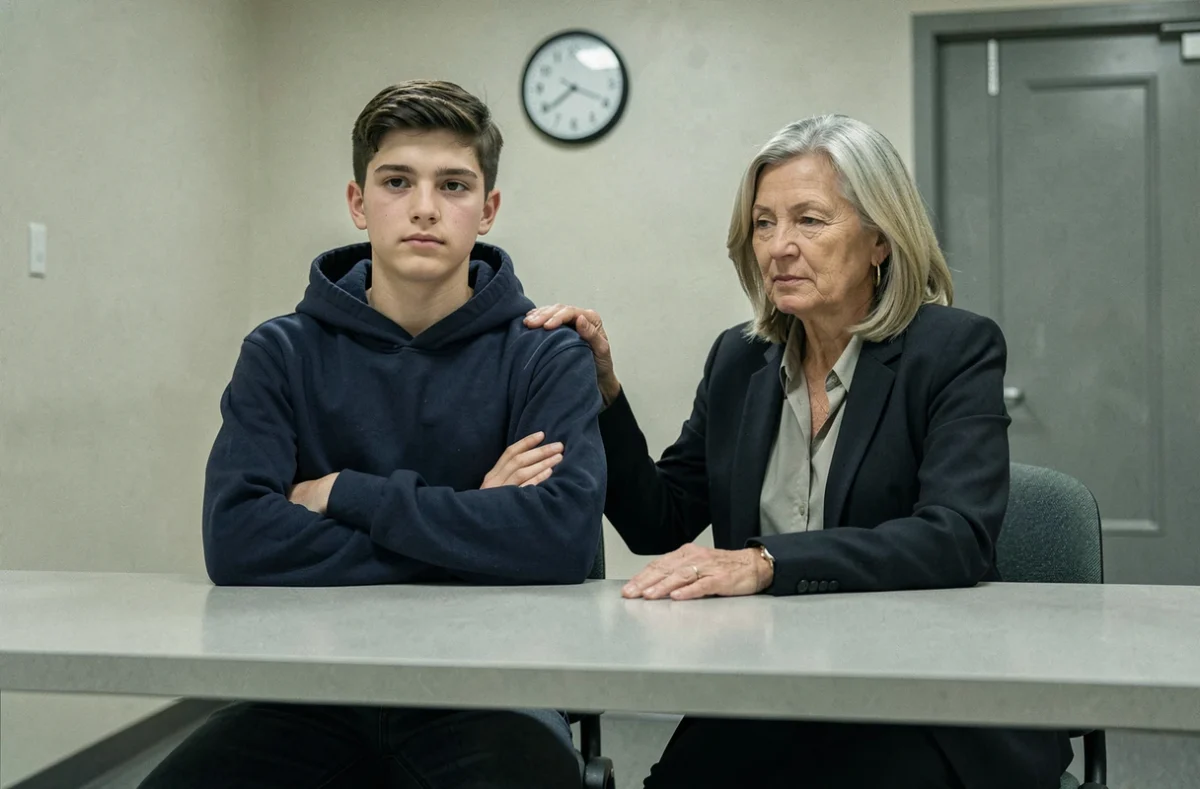
A 14-year-old is summoned to the police station after an altercation outside their school. Their parents receive a call but do not know exactly what they can demand or what their child is entitled to refuse. This common and unsettling situation is governed by precise rules, which the Code of Criminal Justice for Minors strictly applies according to the minor’s age and the nature of the measure.
Police custody, detention or voluntary interview: what the measure changes in practice
Before discussing rights, it is important to identify which measure is being applied. An 11-year-old suspected of theft will not be treated in the same way as a 16-year-old arrested for assault. The distinction is based on two criteria: age and the seriousness of the offence.
For children aged 10 to 13, police custody is not permitted. The only option is detention for a maximum of twelve hours, which may be extended once for a further twelve hours. A medical examination is mandatory, and the assistance of a lawyer is required from the outset.
From the age of 13, a minor may be placed in police custody for twenty-four hours, with a possible twenty-four-hour extension. For those under 16, a medical examination remains mandatory. For those over 16, the rules are closer to those applicable to adults, but the protective framework for minors still applies.
A voluntary interview is a third, less restrictive option: the minor is not deprived of their liberty and may leave the premises at any time. However, when they are questioned about a crime or an offence punishable by imprisonment, enhanced protections apply, including the police questioning of a minor in this context, which requires a lawyer to be present.
When exactly is a lawyer mandatory for a minor?
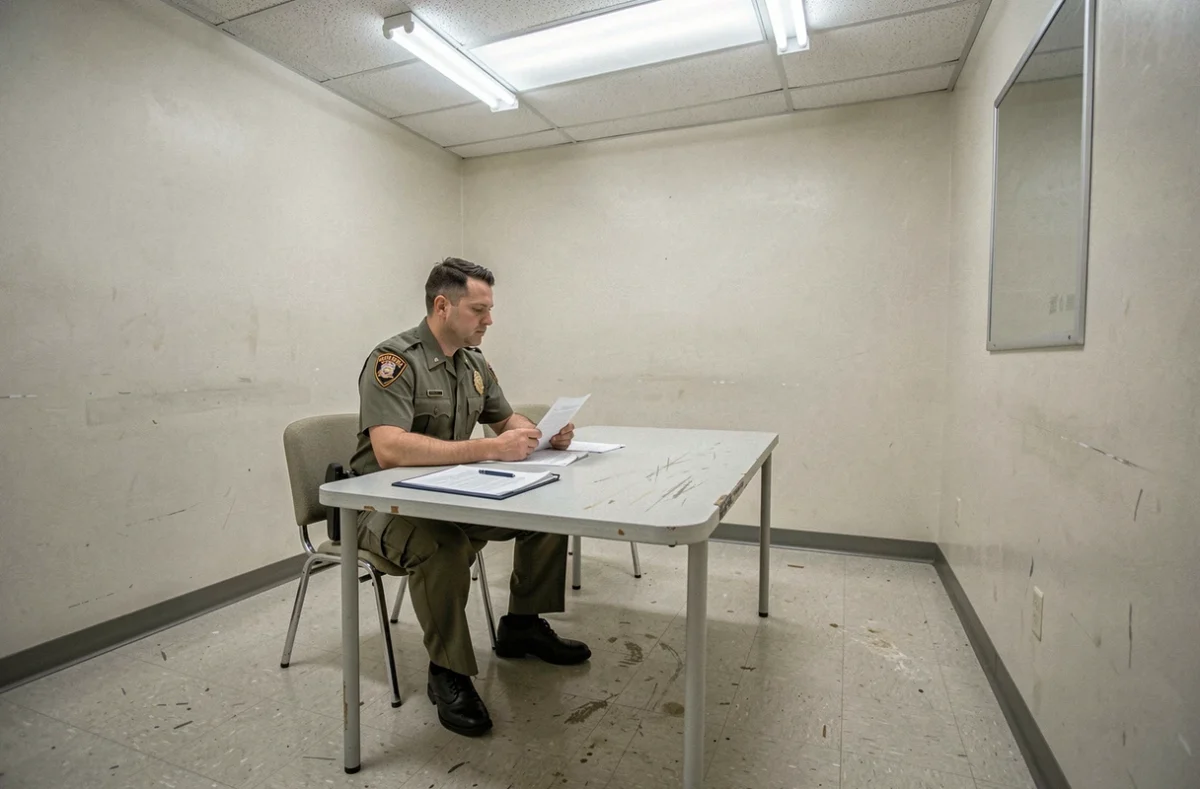
It is often said that a lawyer is “recommended”. In reality, when a minor is suspected of an offence, the assistance of a lawyer is mandatory from the start of the measure if the matter concerns a crime or an offence punishable by imprisonment, whether the minor is in police custody, detained or attending a voluntary interview.
If the family does not have a lawyer, they do not need to find one before going to the police station. The minor or their legal representatives may request a court-appointed lawyer. If no lawyer has been appointed, the competent authority must itself contact the president of the bar association to have one appointed.
The lawyer may attend all questioning and make representations. This is not a mere formality: if the lawyer was required to be present but was not, the proceedings may be annulled.
Right to remain silent: a real right, not a theoretical option
The minor has the right to remain silent throughout the interview. Investigators must explicitly inform them of this right. During a voluntary interview, they may also leave the premises at any time. These rights are explained to the minor, but a stressed teenager may not always remember them. This is where the lawyer’s role becomes especially important: they ensure the minor understands what they can agree to or refuse.
Informing parents and the right to be accompanied: limits to be aware of
The minor’s legal representatives must be informed of the measure. In both police custody and detention, they must be notified without delay. Parents must also be informed when the minor is attending a voluntary interview.
The Code of Criminal Justice for Minors provides for a carefully defined exception to this principle: notification may be delayed if it would be contrary to the child’s best interests or risk significantly compromising the proceedings. This is not a matter of investigators’ discretion; it requires a specific legal basis.
Being informed does not automatically mean being present in the interview room. Parents do not have an automatic right to attend interviews with their child when the child is suspected of an offence. Their role comes before the interview (appointing a lawyer and being informed of the allegations) and afterwards (being present when the minor is brought before a magistrate, where applicable).
Minor victim: a separate framework
A minor interviewed as a victim is subject to a different regime. The Defender of Rights has issued specific recommendations, notably in decision no. 2025-226 of 17 December 2025, concerning the support of a minor victim by an adult during an interview. This framework aims to ensure that a child is not left alone with investigators, even when they are not a suspect.

Practical checks before and during the measure
When the police station calls, a few practical steps can help protect the minor’s rights from the outset:
- Ask exactly what measure is being applied (voluntary interview, detention or police custody) and what offence is alleged, as rights vary depending on the procedure
- Confirm that a lawyer has been appointed, or expressly request the appointment of a court-appointed lawyer before any questioning
- Check that the minor has been informed of their right to remain silent and, during a voluntary interview, their right to leave the premises
- For a minor under 16 who is detained or in police custody, make sure the mandatory medical examination has taken place
These checks do not reflect distrust of investigators. They relate to legal obligations, and failure to comply with them may result in the proceedings being declared null and void.
The actual duration of police custody or detention varies depending on the complexity of the investigation, as well as how quickly the lawyer arrives and whether the competent magistrate is available.
One final point families rarely anticipate: statements made by the minor during the measure are recorded in the official report and may be used later in the proceedings. Every word matters, which makes a preliminary consultation with the lawyer before the first questioning all the more valuable.