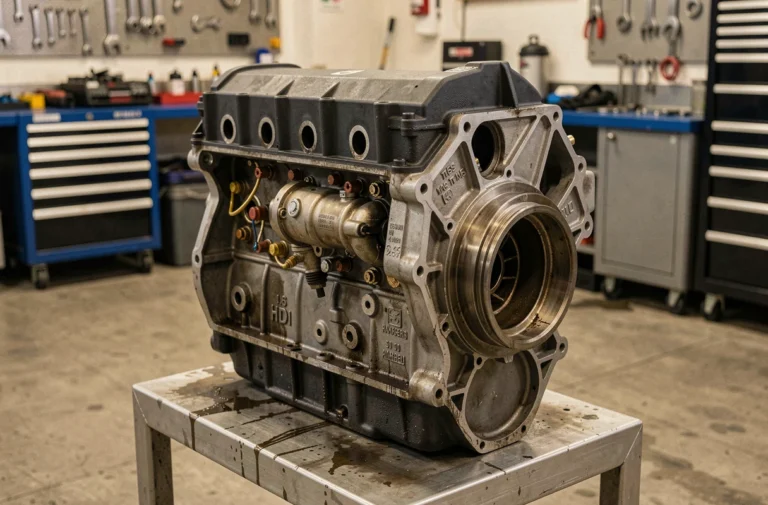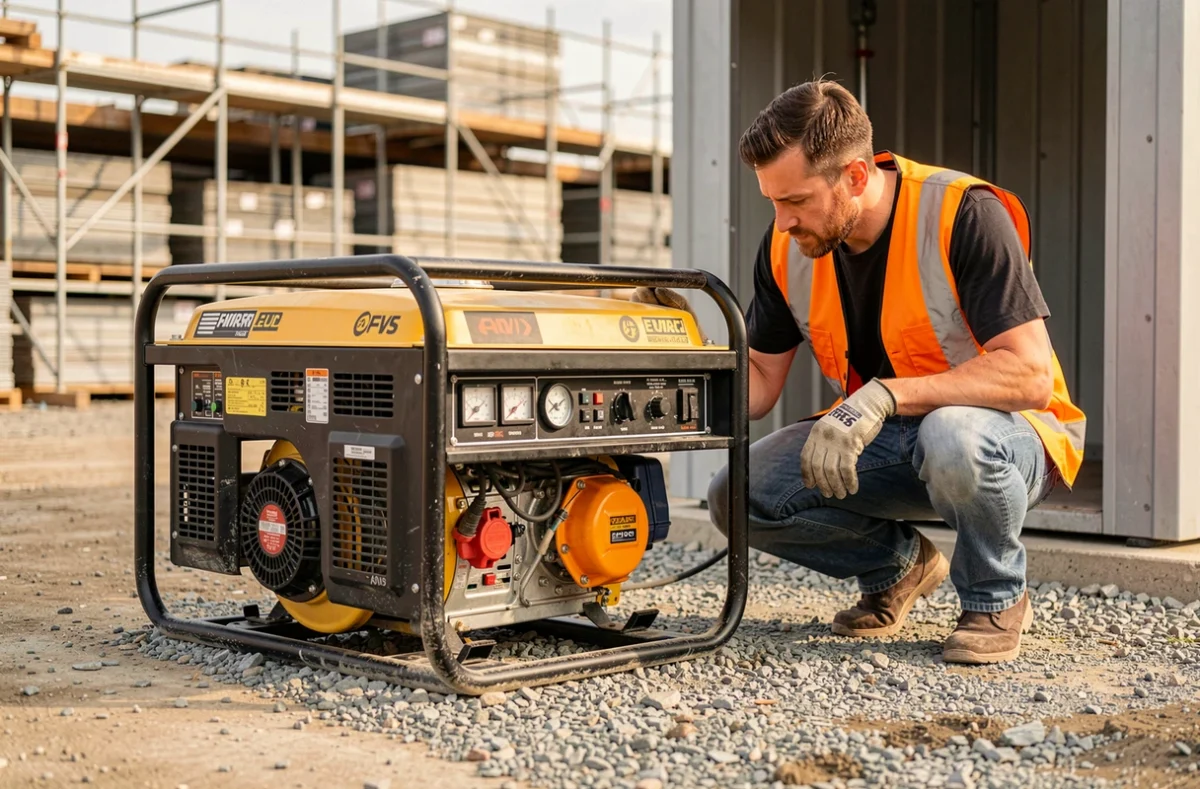
During a prolonged power outage, plugging a refrigerator, a few lights and a phone charger into a portable generator seems straightforward. SDMO’s Phoenix 3000, a compact petrol-powered model, is designed for exactly this kind of household use. But there can be a surprising gap between the power rating listed on the spec sheet and what the generator can actually handle when a refrigerator compressor starts up.
Starting current: what the SDMO Phoenix 3000 can really power
A generator’s rated output only tells part of the story. A refrigerator uses little power once it is running, but its compressor draws a surge of current when it starts—potentially several times its normal consumption.
The Phoenix 3000 provides enough backup power for household lighting, a refrigerator and small electronic devices. The problem arises when you add a freezer or a fan heater: motor-driven appliances draw a brief but intense surge of current when they start, and if two compressors kick in at the same time, the generator may overload or shut down as a safety measure.
To get the most out of the SDMO Phoenix 3000 generator, connect appliances one at a time, allowing the first compressor to settle before plugging in the next. This gradual loading sequence helps prevent surges from adding up.
Real-world Phoenix 3000 runtime depending on the load
Runtime depends directly on the load. A generator powering two LED bulbs and a smartphone charger uses only a fraction of the fuel required to run a refrigerator continuously.
At partial load, runtime increases significantly compared with running at full power. In practice, this means the generator can cover a power outage lasting several hours overnight if you limit connected appliances to the essentials.
Factors that reduce runtime
- A refrigerator or freezer whose compressor cycles frequently (because the door is often opened or the room is warm) repeatedly puts the generator under load and increases hourly fuel consumption.
- A resistive appliance such as an electric heater or hair dryer draws a high, constant amount of power, draining the tank much faster than lighting does.
- A low oil level or clogged air filter makes the engine work harder, reducing both runtime and generator lifespan.
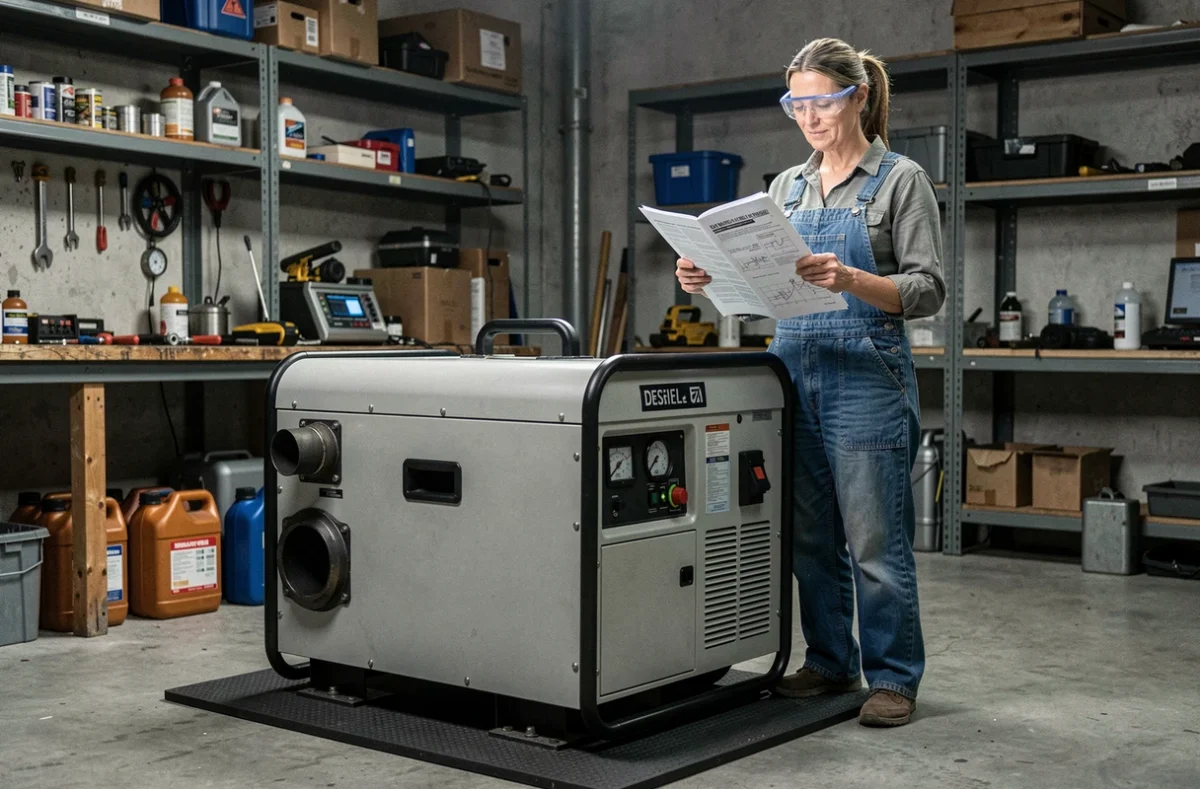
Checking the Phoenix 3000 manual for the exact tank capacity and hourly fuel consumption at different loads is the only reliable way to estimate runtime for your setup.
Outdoor placement and carbon monoxide safety
A petrol generator emits carbon monoxide (CO), an odourless, deadly gas. Using it in an enclosed space is prohibited, even in a garage with the door open. Health authorities also advise against running it near the home’s doors, windows or air vents.
Exhaust fumes can enter the home through an opening just a few metres away. In bad weather, people are often tempted to move the generator closer to the house to protect it from the rain, but this is precisely the kind of situation that leads to carbon monoxide poisoning.
Practical precautions for the Phoenix 3000
Official guidance does not specify a universal distance in metres: check the minimum distance in the model’s manual. If no distance is given, point the exhaust away from the building’s openings and place the generator as far away as the extension cord allows. This is a sensible starting point.
A CO detector installed inside the home adds an extra layer of safety. It does not replace correct generator placement, but it will alert you if exhaust fumes enter the living areas.
Connecting the Phoenix 3000 to your home’s electrical system
Plugging a generator directly into a wall outlet to power the electrical panel through backfeeding is dangerous. It can expose utility workers to electric shock and damage the generator when power is restored.
A transfer switch or changeover panel prevents electricity from flowing back into the grid. This device disconnects the home’s electrical system from the public grid before supplying it with power from the generator. For a permanent installation, have a qualified electrician check the connection to avoid problems.
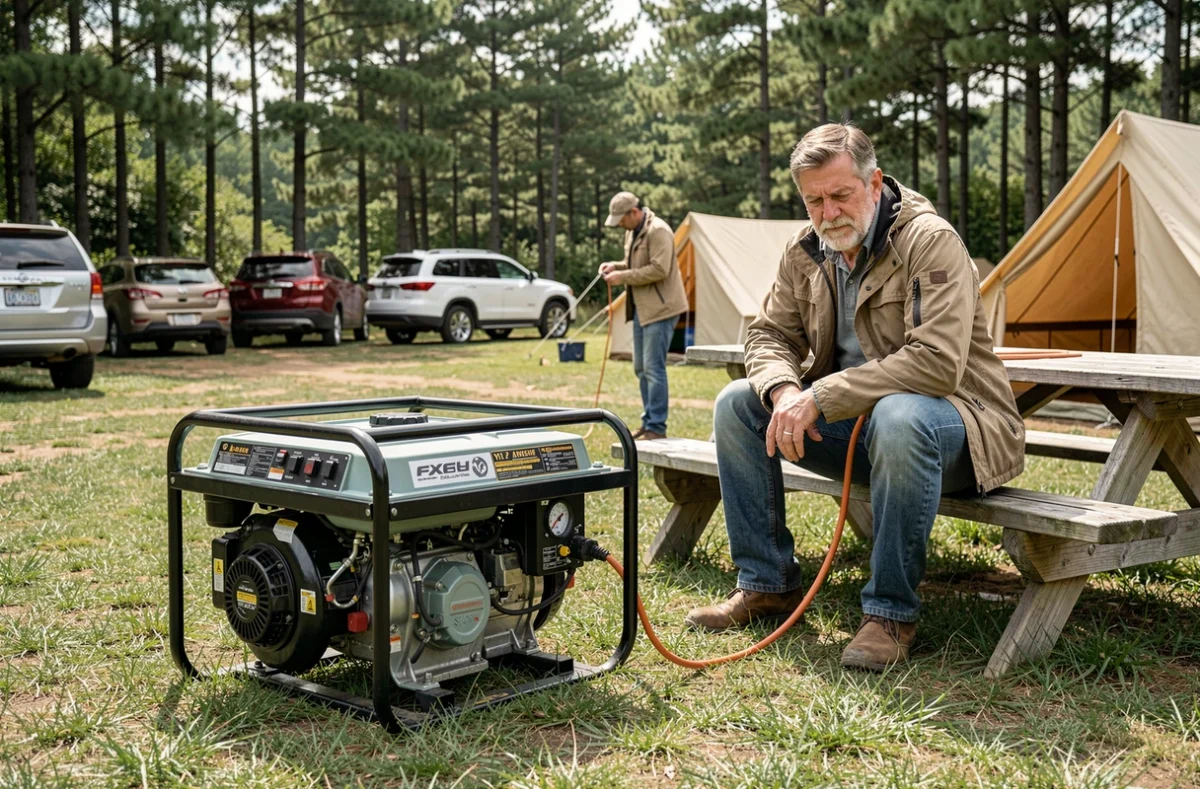
For occasional use, the simplest option is to plug each appliance directly into the Phoenix 3000’s outlets using extension cords rated for the load. This makes it easier to keep an eye on the total load and reduces the risk of wiring mistakes.
Routine maintenance for the SDMO Phoenix 3000 generator
A portable petrol generator needs a little attention between uses so it will start reliably when you need it.
- Drain the petrol from the tank and carburettor if the generator will be stored for more than a few weeks. Old petrol can clog the fuel system and make starting difficult.
- Check the engine oil level before each start. Running an engine with too little oil accelerates wear.
- Clean or replace the air filter at the intervals specified in the manual. A clogged filter disrupts the air-fuel mixture and reduces available power.
- Check the spark plug once a season. A fouled electrode can cause starting problems.
The SDMO Phoenix 3000 remains a reliable backup tool, provided you don’t take it out once a year without checking it first. Fifteen minutes of maintenance between seasons is enough to keep the generator ready to run when an outage occurs.