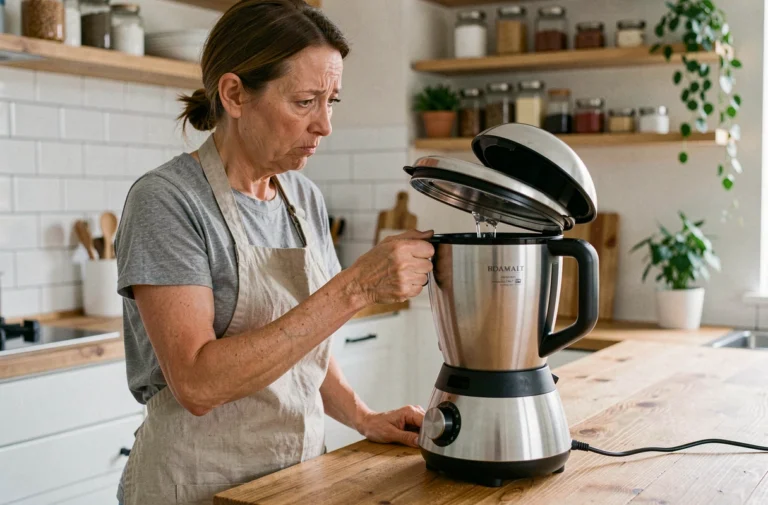
Ignoring instructions can sometimes lead to more solid results than strictly following the provided guidelines. Replacing a screw with a wing nut saves a wobbly shelf, while a broken tool finds new life with a simple rubber band.
Success does not depend on professional equipment or proven experience. A methodical preparation and the adoption of a few tried-and-true tips are enough to turn each step into tangible success.
Why DIY at home is not just for experts
Home DIY has far surpassed the circle of seasoned technicians. Today, repairing a shelf, repurposing a pallet, or sealing a joint is no longer an achievement reserved for a few skilled hands. These are actions that are open to everyone, driven by the wave of DIY, synonymous with independence and creativity. Skills circulate, are exchanged, and enriched, propelled by the proliferation of tutorials and the omnipresence of practical advice on social networks.
What matters is preparation and well-thought-out organization. Whether it’s renovating, decorating, or inventing from reclaimed materials, each step benefits from being anticipated. Inspiration platforms, support groups, and engaged communities have never been more active. DIY is now part of a responsible approach: wooden pallets, jars, and bottles find their place in workshops, combining ecology and savings. Three reflexes guide beginners: observe, anticipate, adjust.
Novices are no longer left alone with their questions. Oh Brico offers a clear method, guiding step by step from tool selection to finishing touches. Safety structures every action, and space organization is never neglected. This is no longer a story of experts, but a collective adventure that values creation, repair, and enhancement of living spaces.
What tools and tips really facilitate the first DIY projects?
For those looking to start DIY at home, certain tools lay the essential foundations. It’s not about accumulating unnecessarily: here are the must-haves to gather from the start:
- a screwdriver
- a drill
- a power saw
- a laser level
With a compact and well-organized toolbox, every intervention, from assembling furniture to a more demanding project, becomes smoother. A few tips often make the difference: marking the depth on a drill bit with simple tape, stabilizing a screw in an enlarged hole with a bit of glue.
Some everyday objects prove to be valuable allies. For instance, a plastic bottle is enough to bleed a radiator. A piece of toilet paper can reveal a water leak where the eye hesitates. A few drops of cooking oil silence a squeaky hinge. To strip old paint, soda crystals are remarkably effective. Rubber gloves allow you to wipe brushes without damaging the bristles, and recycled glass jars organize screws and plugs so nothing gets lost.
An orderly and secure workshop remains a valuable asset: keep your tools within reach, plan each step, choose appropriate lighting. Wooden pallets find a second life as supports, storage, or custom furniture. Success often hinges on a careful look at one’s environment, the ability to imagine new uses for the most mundane objects, and flawless organization.
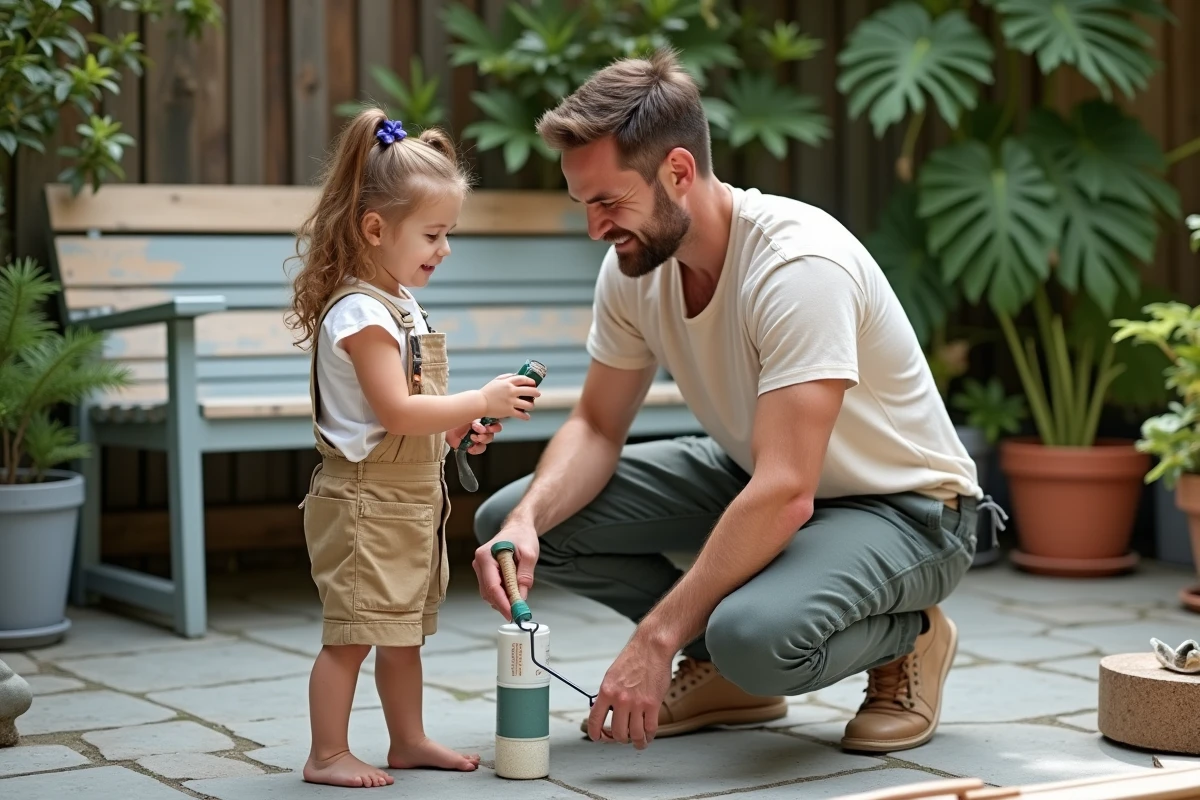
Simple and accessible ideas to get started without stress
Successfully completing a DIY project sometimes starts with the boldness to tackle accessible ideas, using everyday resources. A few solutions invite themselves into the home: floating shelves add style to a wall while creating storage, a pallet bench enhances the terrace or balcony while providing space for tools or cushions. Hanging planters transform a windowsill into a miniature garden, while solar lights personalize the exterior at a low cost.
Upcycling inspires. Glass bottles become original lamps, wood scraps transform into photo frames, and forgotten fabrics are repurposed into decorative cushions. Sustainable DIY is on the rise, driven by the enthusiasm for upcycling and waste reduction that marks 2025. Home, garden, balcony: every space welcomes creativity. A compost bin made from recycled wood reduces waste and nourishes the soil.
In every project, simplicity prevails. Prepare the steps, take out the right tools, plan for the unexpected. A few wall adhesives are enough to transform a room without commitment or leaving a trace. Arranging, decorating, repairing: each achievement is an opportunity to learn, to take ownership of one’s space, without pressure or excess. It’s a way to see the home differently, one screw, one action, or one idea at a time.