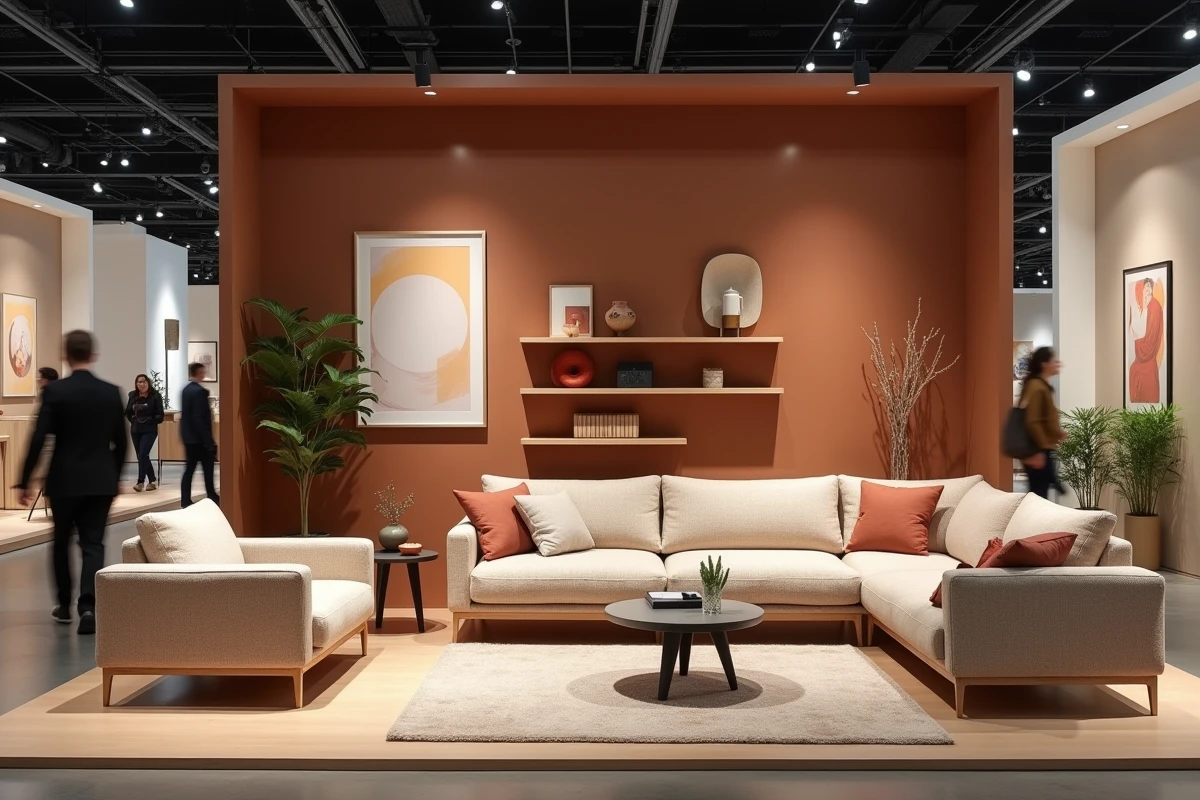
A habitat show brings together manufacturers, artisans, and distributors in one place to showcase products intended for the construction, renovation, and decoration of homes. The recent edition of the Salon Tendances Habitat confirms a technical shift: the stands no longer just display finishes; they showcase complete systems integrating energy performance, low-carbon materials, and home automation.
Second-generation bio-sourced materials: the real technical topic of the habitat show
Bio-sourced insulators are increasingly prominent in the aisles of habitat shows. We are talking about prefabricated hemp concrete, miscanthus panels, and high-performance cellulose wadding. These materials are not new, but their presentation has changed: exhibitors offer live demonstrations of implementation at their stands, in areas dubbed “low-carbon villages.”
What distinguishes this generation of products is their industrialization. Hemp is no longer a niche material reserved for self-construction. Prefabricated blocks arrive on site ready to be installed, which reduces implementation time and reassures artisans who are less familiar with the sector. Optimized wood wool, for its part, achieves thermal conductivity levels that bring it closer to synthetic insulators, without their carbon footprint.
For individual visitors, these solutions represent a concrete alternative during a renovation project. The benefit of discovering them at a show lies in the ability to touch samples, compare necessary thicknesses, and directly question manufacturers about compatibility with existing structures. Following the news from the salon tendances habitat allows one to identify exhibitors presenting these sectors before planning a visit.
RE2020 and salon tendances habitat: how regulation reshapes stands
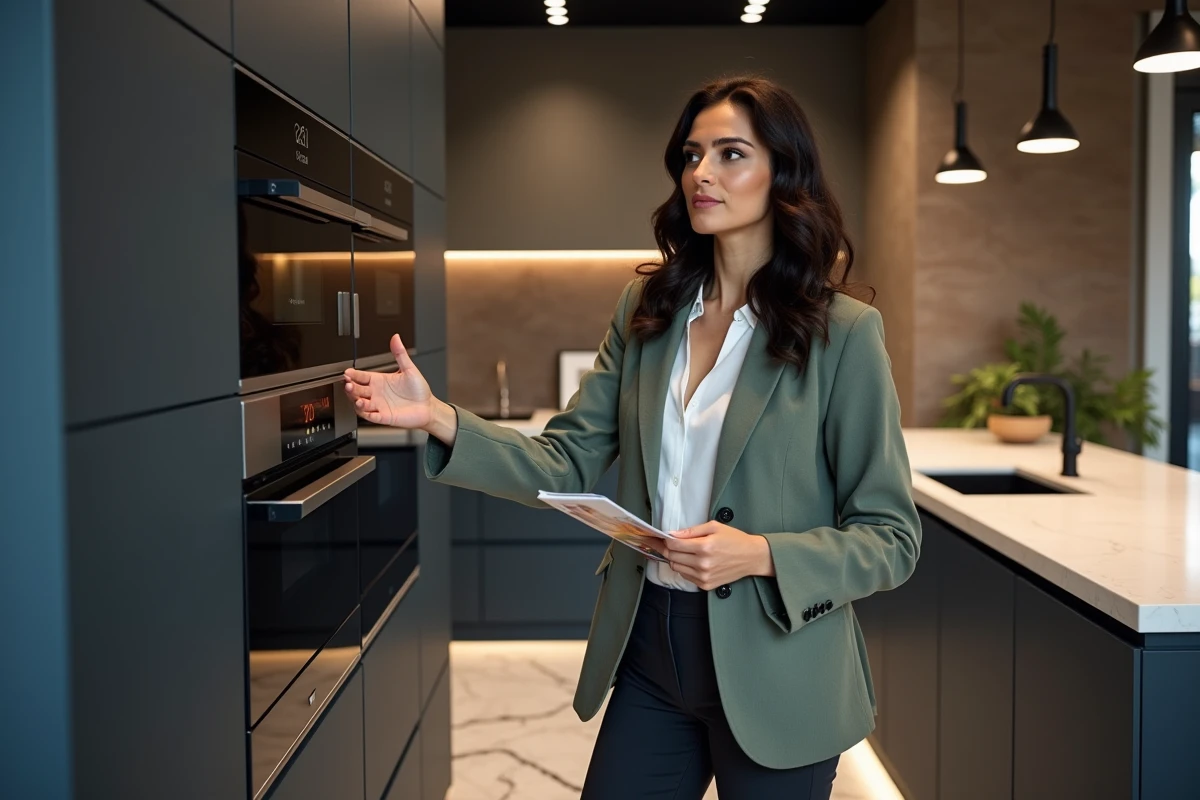
The environmental regulation RE2020, in effect since 2022 for new constructions, has a direct impact on the products highlighted by exhibitors. Hybrid heat pumps, double-flow ventilation, triple-glazed windows: each stand now displays product sheets stamped “RE2020 compatible,” with data on energy performance and carbon footprint.
Preparatory work for an evolution of this regulation by 2025 is accelerating the movement. Manufacturers anticipate stricter thresholds and are already presenting solutions designed for the heavy renovation of individual homes, a segment where compliance represents a more complex technical challenge than in new builds.
What RE2020 changes for individual visitors
An individual entering the show with a construction or renovation project will find segmented answers. Exhibitors clearly distinguish solutions suitable for new builds (where RE2020 applies by right) from those intended for renovation (where requirements remain incentivizing but guide financial aid).
Public aid is often conditioned on the choice of materials and equipment that meet RE2020 criteria. Visiting a show allows one to verify on-site whether a product falls within the eligible scope, rather than relying on a technical sheet read online.
Home automation and energy management: beyond voice control
The home automation presented at the habitat show has surpassed the gadget stage. The systems on display integrate the overall energy management of the home: controlling heating room by room, automatic load shedding in case of consumption peaks, real-time monitoring of photovoltaic production.
Several exhibitors showcase energy dashboards that centralize consumption by category (heating, hot water, appliances). The stated goal is no longer just comfort, but measurable reduction of the energy bill, an argument that resonates with current concerns of homeowners.
Interoperability: the criterion to check at the stand
The classic trap of home automation remains ecosystem lock-in. A connected thermostat that does not communicate with roller shutters from another manufacturer loses much of its utility. At the show, the question to ask systematically concerns the communication protocols used:
- Open protocols (Zigbee, Z-Wave, Matter) ensure broad compatibility between equipment from different brands
- Proprietary solutions sometimes offer smoother integration but lock the owner into a single supplier for future expansions
- The Matter protocol, supported by major tech players, is becoming the interoperability standard for connected home devices
Checking a product’s Matter compatibility at the stand avoids regrets during installation.
Outdoor design and decoration: trends that persist at the show
The outdoor space remains a strong focus of habitat shows. Bioclimatic pergolas, modular outdoor kitchens, and composite terrace coverings occupy entire zones. The underlying trend concerns the extension of living space into the garden, with solutions that blur the boundary between indoors and outdoors.
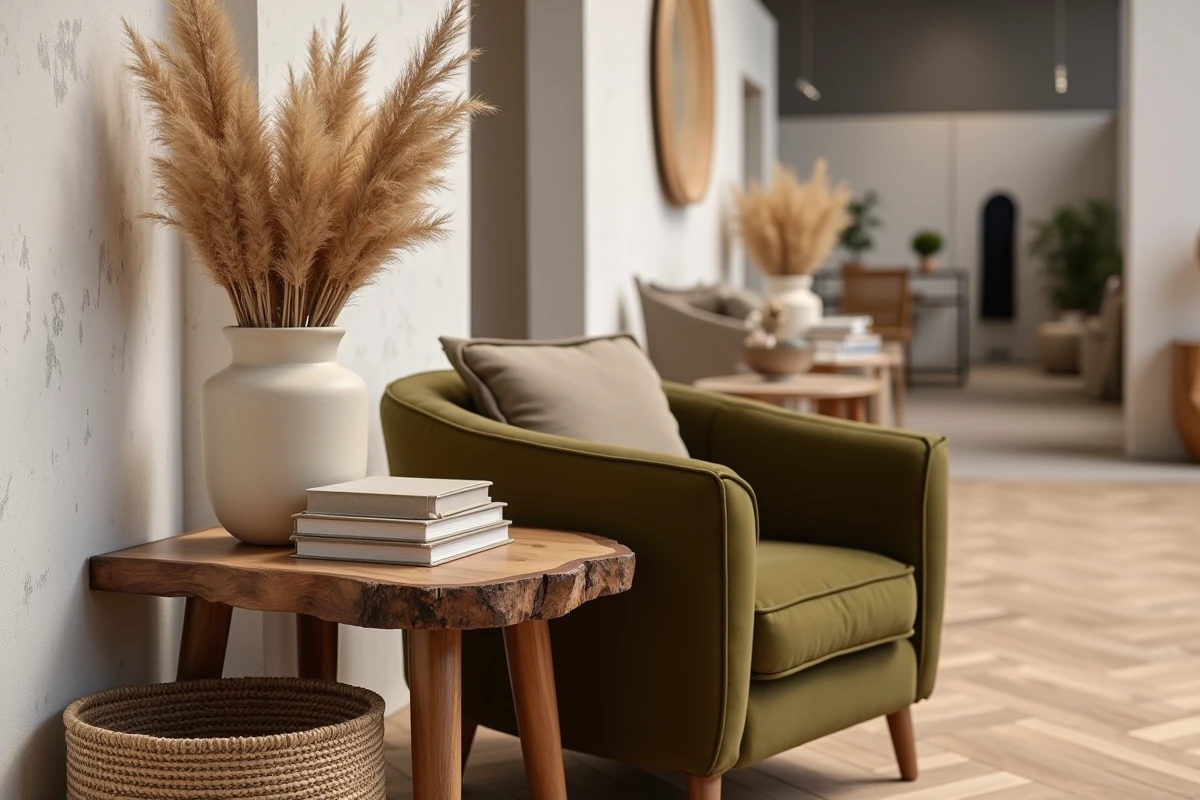
In terms of interior decoration, feedback from recent editions points to earthy tones, raw textures (reconstituted stone, lime coatings), and furniture with curved lines. These orientations are not mere fashion effects: they respond to a demand for durable and easy-to-maintain materials.
Concrete tips for making the most of a visit
A show sometimes gathers more than two hundred exhibitors. To avoid saturation, a simple method works:
- List priority areas of the project in advance (insulation, joinery, bathroom design, living room decoration)
- Identify conferences and practical workshops related to these areas, as live demonstrations reveal details absent from catalogs
- Always ask about warranty and installation conditions, two pieces of information rarely detailed on manufacturers’ websites
The Salon Tendances Habitat remains one of the few places where an individual can compare competing solutions over a few square meters, ask technical questions without commercial filters, and leave with comparable quotes. The next edition deserves to be prepared as a project meeting, not just a casual stroll.